
Tamiko Nimura writes beautifully about hard things. During the pandemic she worked on her forthcoming memoir, A Place for What We Lose, in my Yearlong in Memoir class at Hugo House, and I had the good fortune to not only read parts of the work-in-progress but also to witness a writer with clear intentionality build a book on a strong foundation of craft and community. Tamiko was as thoughtful about giving her peers feedback as she was about patiently working on confounding structure questions and revising drafts. When I see a writer coming up with this type of care, I think about how it’s not just about getting your book published. It matters how you get there.
Tamiko’s memoir, A Place for What We Lose, tells the story of a daughter embarking on a pilgrimage to the internment camp where her father was held during WWII as she finds–with brilliance–a way to navigate her own set of complex challenges. You can get a bit of the story here in this gorgeous essay, and soon A Place for What We Lose will be out in the world.
Nestor: Tell us about your book’s big news, Tamiko!
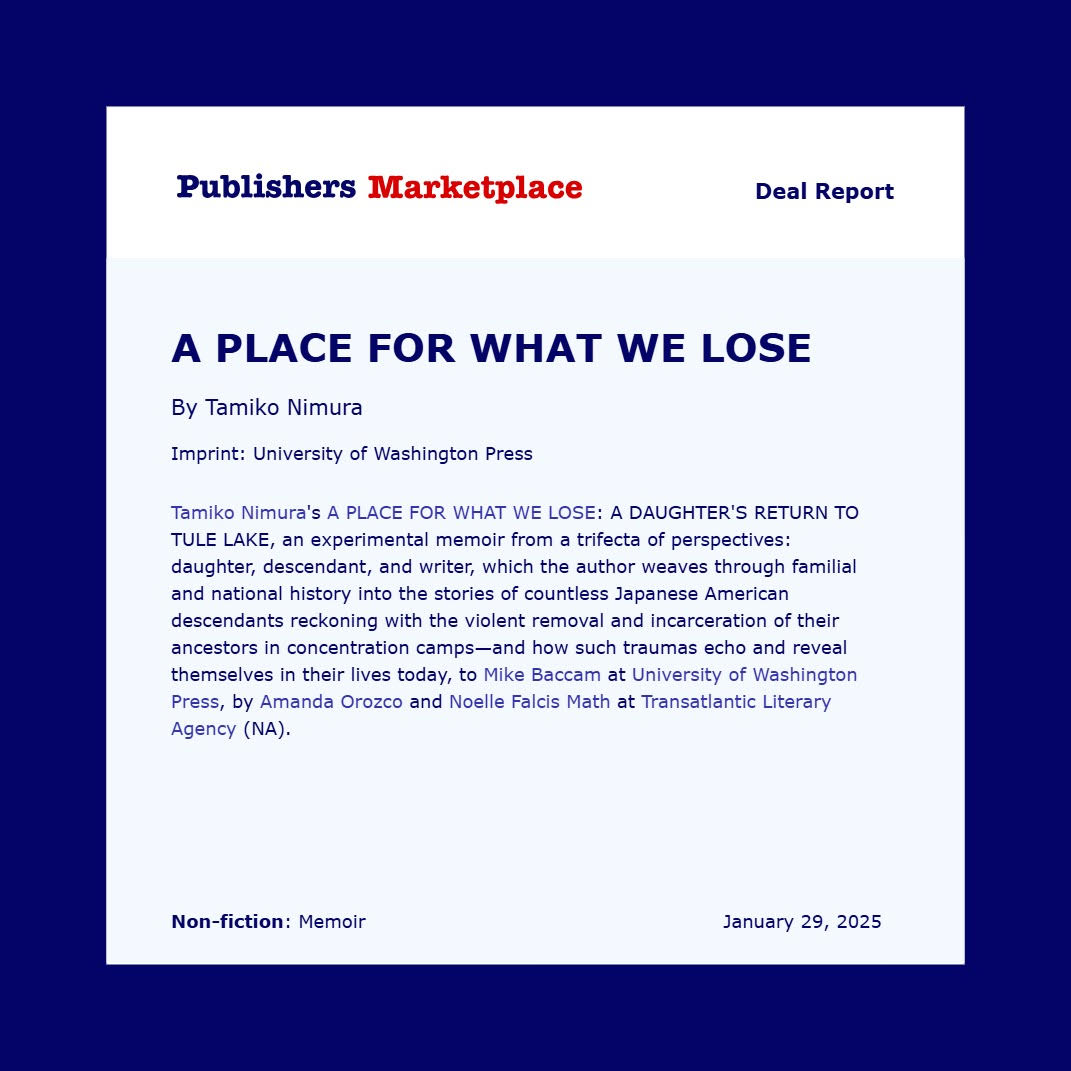
Tamiko Nimura: A Place For What We Lose: A Daughter’s Return to Tule Lake is being published by the University of Washington Press, which is home to so many amazing Asian American and Japanese American titles that I’m thrilled to be joining their list. I don’t have a publication date yet, but I think I can say that we are hoping for 2026.
Theo Nestor: What was the biggest challenge in writing A Place For What We Lose and how did you overcome it?
Tamiko Nimura: Structure, structure, structure. The book is a braided memoir with two main strands and different timelines, a memoir that also contains part of my dad’s unpublished memoir. I kept thinking I had the problem solved and then something else would emerge. I kept printing it off and on for years and announcing the structure problem solved. I tried on “hero’s journey,” “heroine’s journey,” and other forms that didn’t seem to fit. As I write this, I am diving into yet another restructuring of a third of the book with the help of my editors at the press, and (knocking wood) I’m hopeful this is it.
Theo Nestor: What was something that surprised or delighted you in the process of writing this book?
Tamiko Nimura: Oh, so many things! I have been working on this book off and on since 2010. I could practically write a book about the writing of this book, and the process journal I kept for the first seven years of the book is almost as long as the book itself. (No one would want to read this, I know.)
But how about this, the main surprise and delight: I learned that I could talk to my dad again, even after close to 40 years of him being gone, after I avoided that conversation for decades. I learned about ways to open the channel of communication between us and keep it open. I learned how to bring him along with me into my present, into an alternate world where he could watch his beloved San Francisco Giants win the World Series, where he could play online chess with my oldest kid and go to the planetarium with my youngest kid, where we could cook sukiyaki together and talk about the latest library books we’re reading. And that is a huge gift.
Theo Nestor: What advice would you give readers wanting to publish their memoir?
Tamiko Nimura: Read widely and often, in and out of your genre, to be clear about the conversations your book is entering. By extension, this means you should have a good sense of the core readers you want to reach. (I think about my audience as an onion, with a core and surrounding layers.)
(For a resource: I listened to many episodes of “The Shit No One Tells You About Writing” for query letters and had mine critiqued by editors and agents several times even before I sent it out.)
Agents and editors often tell aspiring memoir writers that memoir is a hard sell, which is….true, if you’re not a celebrity. And mine did take nearly a year to sell. But there are many wonderful independent (including nonprofit and university) presses who are excited to take on books that play outside of commercial norms and celebrity lives.
And I believe that there is a deep hunger in our culture for memoir, for stories of how and why ordinary people get to the other side of something life-altering. I have also felt a deep hunger and love for BIPOC, genre-bending memoirs about those kinds of journeys, which is partly why I wrote this book as I did. I hope my book finds its readers. At the risk of sounding too earnest, I hope that it can be one voice in the choir of resistance: a small measure of much-needed light and even joy.
Theo Nestor: Thank you, Tamiko! I can hardly wait to hold your book in my hands.
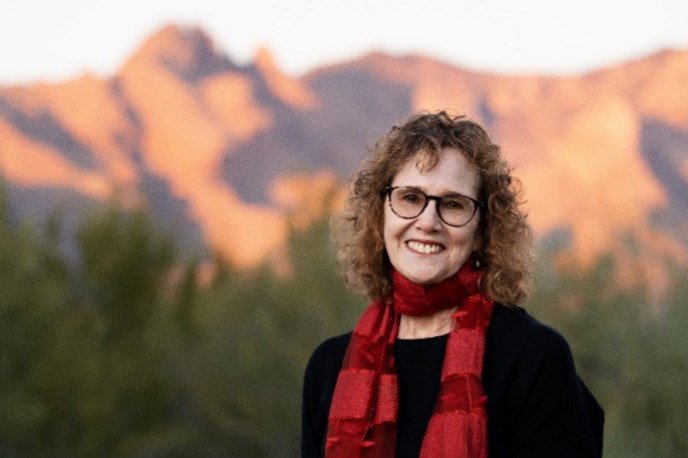
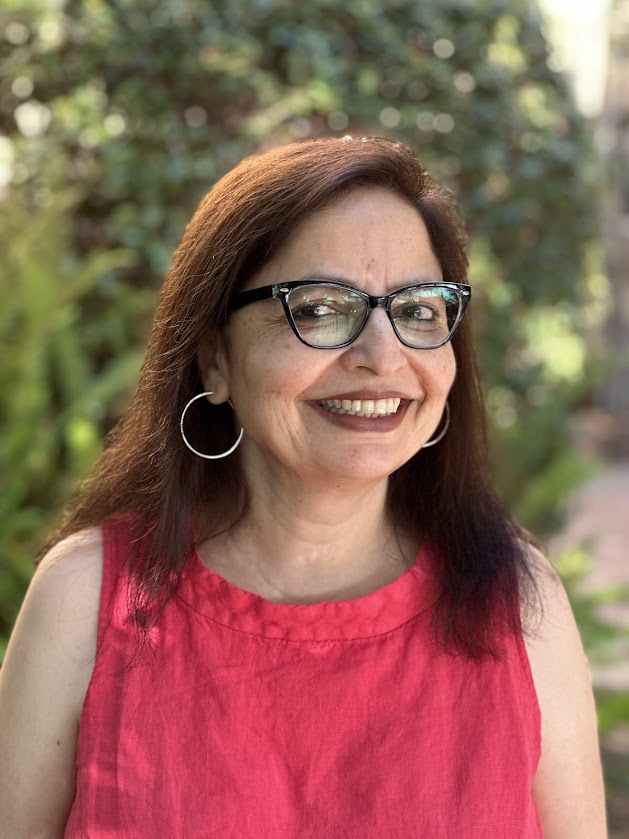
Tamiko Nimura is an Asian American creative nonfiction writer and public historian living in Tacoma, Washington.

Write a Modern Love in February includes 3 live one-hour classes with Theo Nestor on February 8th, 15th and 22nd 2025 as well as indefinite access to the recordings of these classes. Each class includes a Q&A session during which you can ask specific questions about your essay. Can’t make the meeting or need to come late or leave early? No problem: All the classes are recorded and will be posted within 24 hours of class. Optional add-on: Two-round review of your Modern Love essay. Learn more here.



Leave a Reply